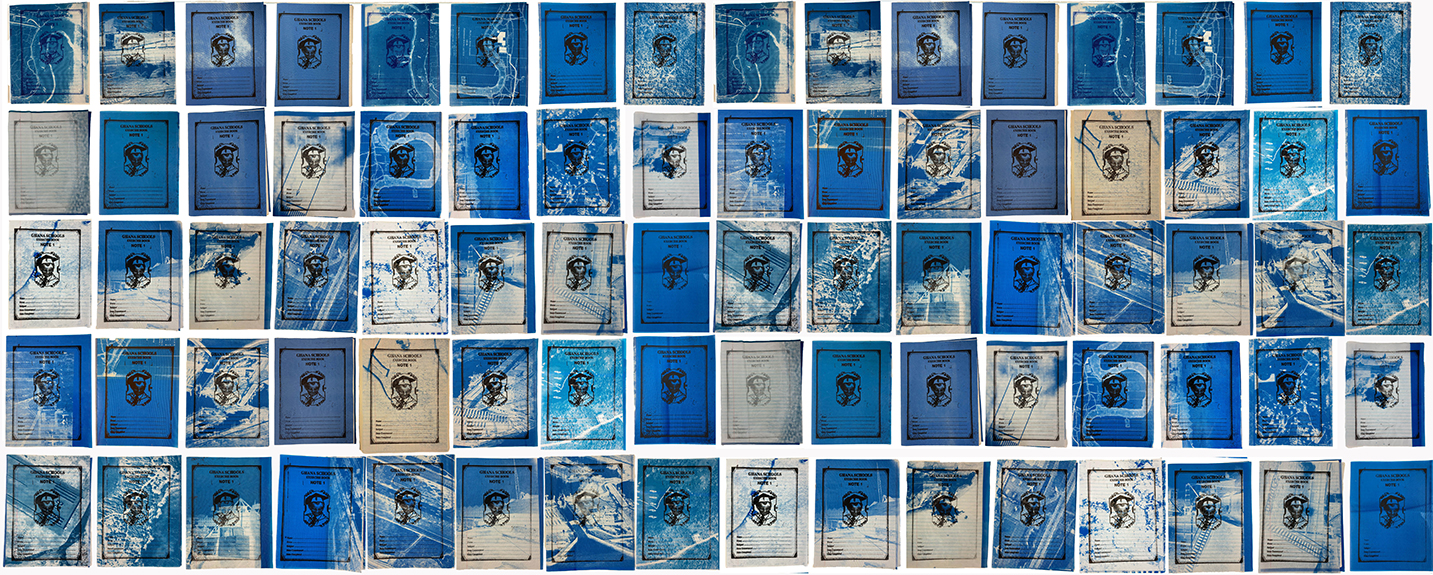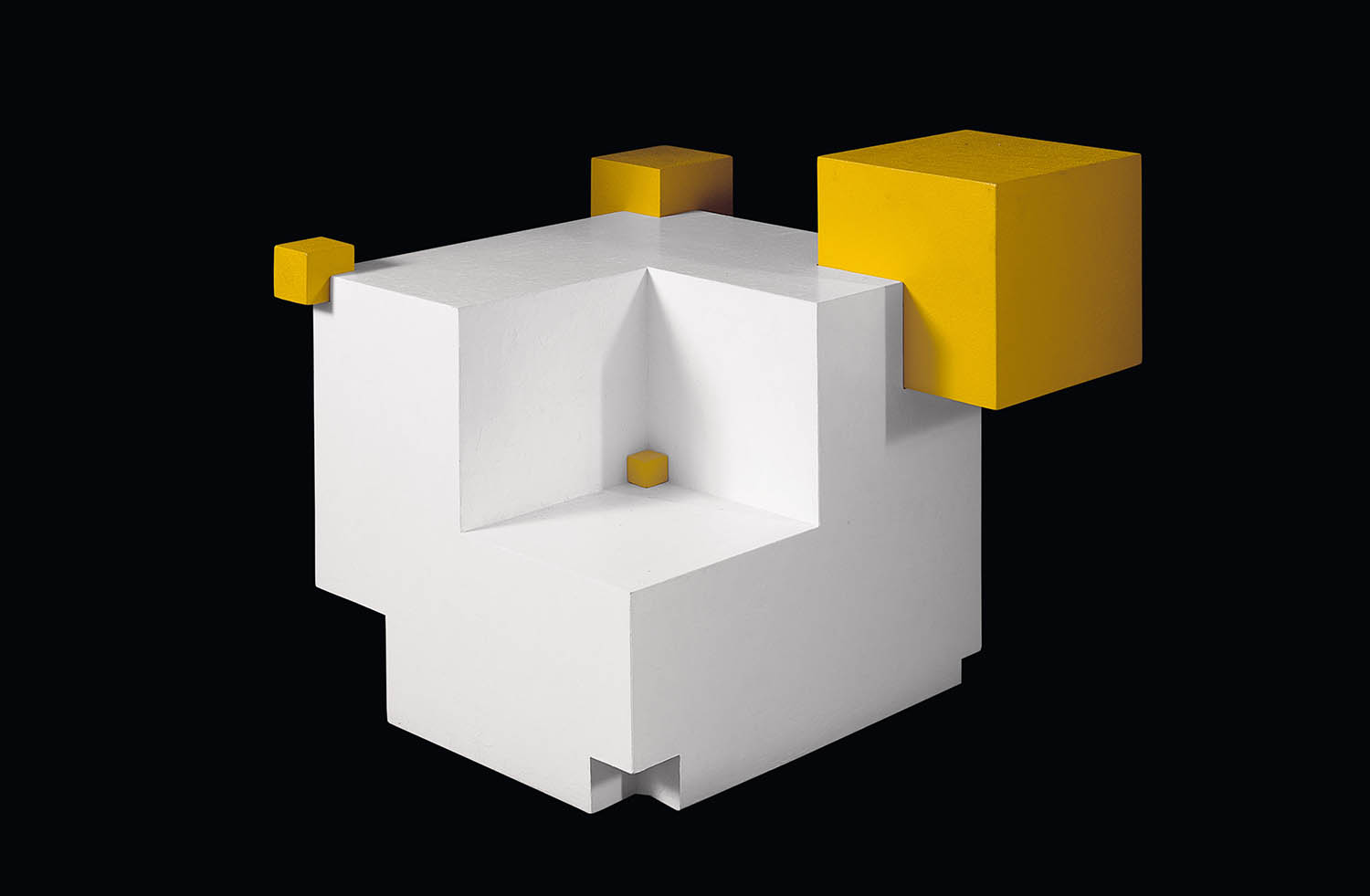
The eac. offers several types of sessions for schools: an interactive visit of the exhibitions on its own, or followed by a hands-on art workshop (sessions of 2 to 2½ hours).
These arts and cultural education projects are developed in close collaboration with teachers, who are welcome to visit the exhibitions beforehand if they wish.

Sensory visits and workshops designed for the very young, to awaken artistic curiosity from an early age. Sessions of 1 to 1½ hours.

A journey of discovery through the works, plus hands-on art in the workshop. Pupils explore shapes, colours and materials through creative projects. 2-hour sessions.

In-depth visits and hands-on workshops linked to the school curriculum: analysing works, experimenting and thinking critically. Sessions of 2 to 2½ hours.

To support inclusive education and promote access to culture for all, the eac. offers a targeted, accessible cultural and educational programme. Tailored projects, either one-off or running throughout the school year, are designed in close collaboration with the teaching teams of specialised classes (ULIS, Classes Relais, SEGPA, ÉREA, UPE2A) and with medical, social and health institutions (including IME and SESSAD) through their specialised teaching units.
To best meet the needs of pupils with special educational needs, the eac. offers tours (exhibitions, architecture, park) specially adapted to their pace, ways of communicating and sensitivities, combining tactile visits, simplified routes and hands-on art workshops.
This programme is open to all educational, social and cultural partners: youth leaders, educators and social workers. It reaches a diverse audience benefiting from urban policy and "Espoir banlieues" schemes: youth and cultural centres, community centres, holiday and leisure centres, socio-cultural and neighbourhood centres, and associations or institutions working in community education. Outside school hours, the eac. offers groups of children or teenagers guided visits and hands-on art workshops.
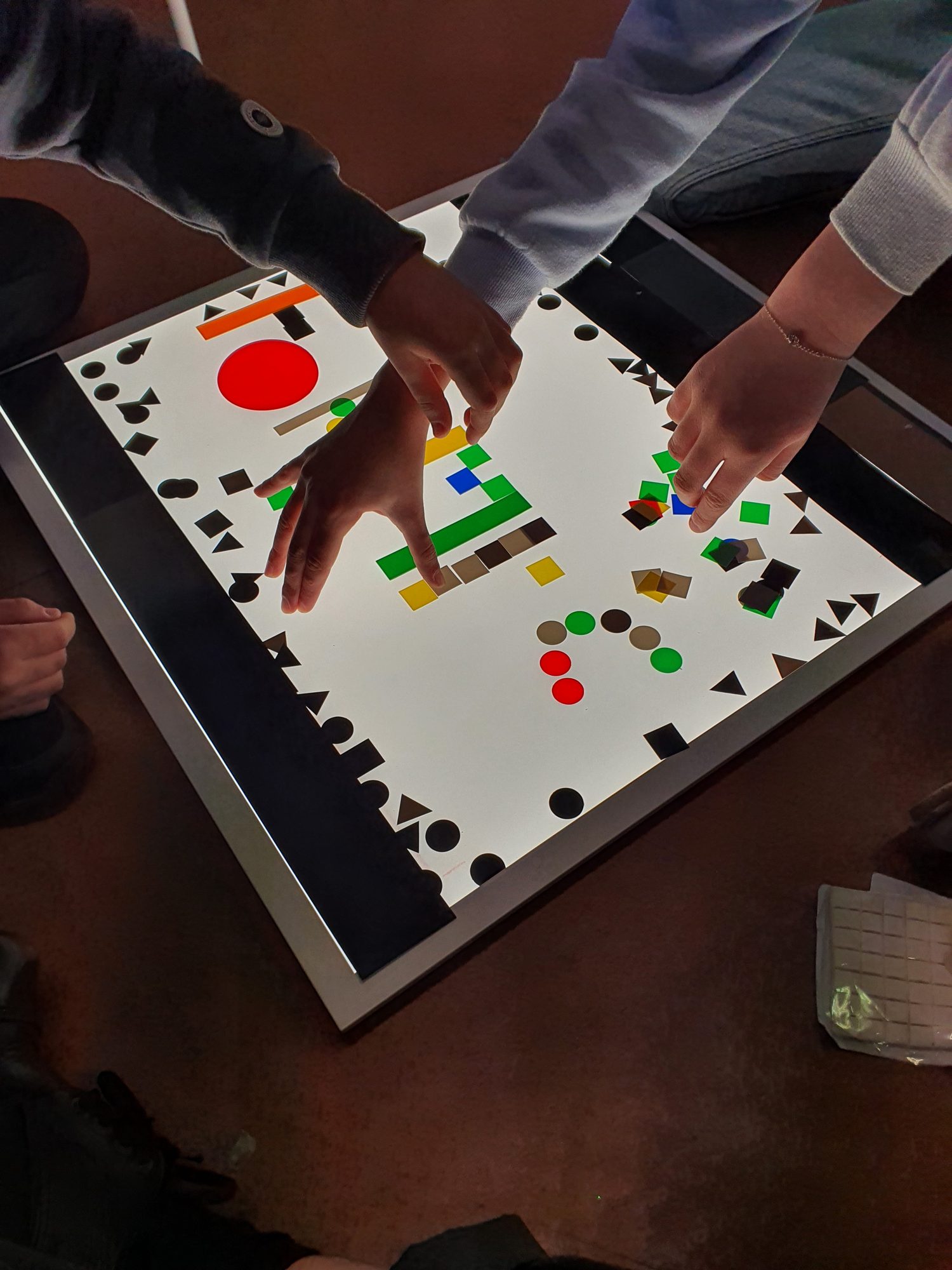
Mediation in front of the works, whether artistic, cultural or historical, plays a fundamental role in engaging the public and deepening their understanding. It builds a bridge between the work and the viewer, opening up interpretations, stirring emotions and enriching the whole experience.
Would you like to know more about our educational workshops, how they run or how to book? We are here to help and answer all your questions.
Feel free to contact us by phone or email: